
Our (less than) Total Eclipse
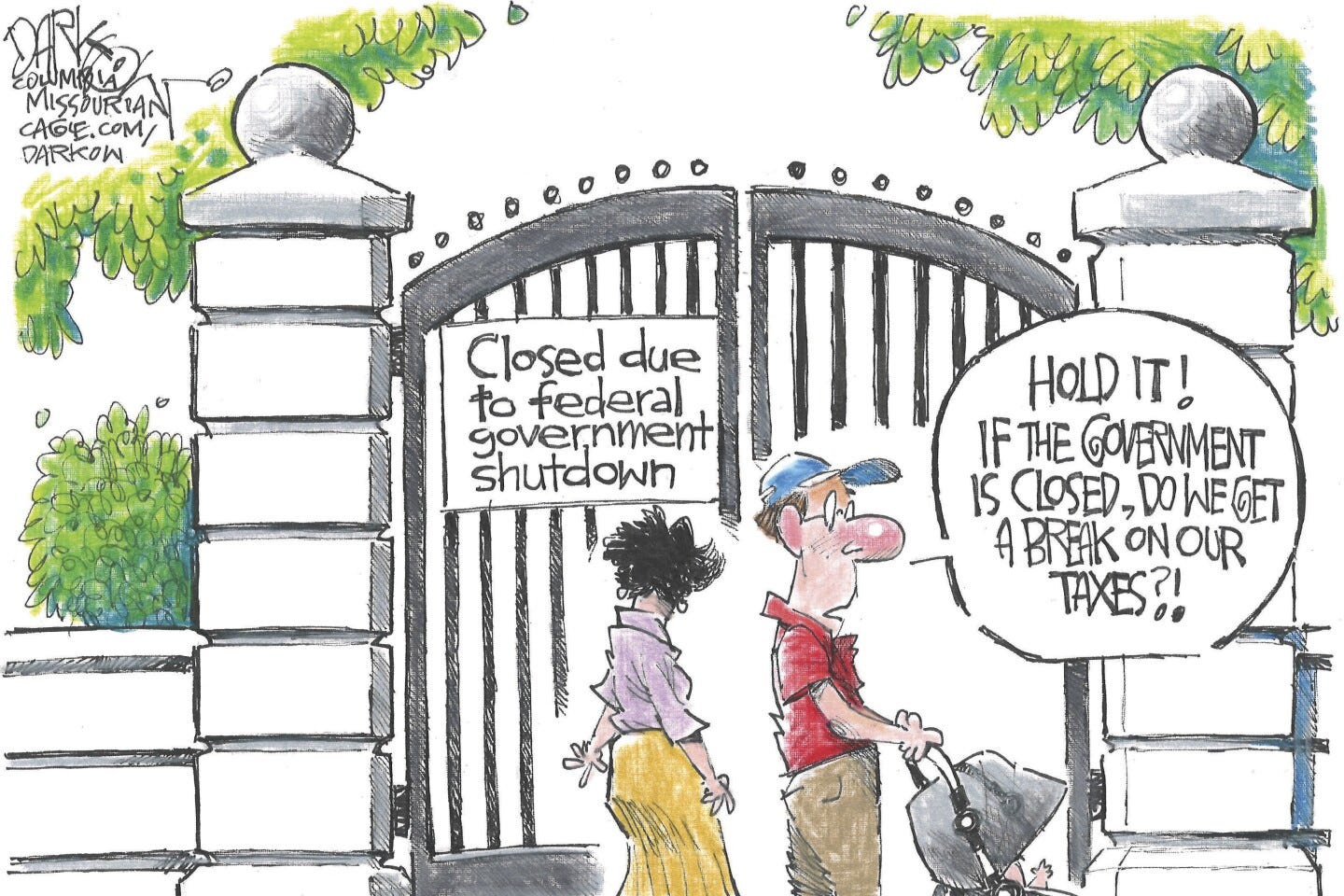
The headlines were screaming, TOTAL SHUTDOWN. The proverbial Sword of Damocles had been loosened, and fallen upon us, sowing destruction for everyone. Any second the lights would all go out, water would no longer flow into our homes, automobiles would careen off of bridges, mayonnaise would suddenly go bad.
A frightened America woke up at the start of our Federal Fiscal Year on October 1st to learn that everything in the world had suddenly stopped. Except that more than a month later, after the longest shutdown in history, the average American had been affected very little by the dreaded shutdown.
This is not to say that no one had been impacted. Most importantly, 42 million people rely (at least partially) on SNAP, the federal food stamp program. The courts ordered the program to return to a funded basis, although the administration dragged their feet on this. The reasons why will be discussed later.
Members of the military were also affected (1.3m active duty, 750k Guard and Reserve). Payments would be made as the military is deemed ‘essential’ but the delayed income has caused stress on military families.
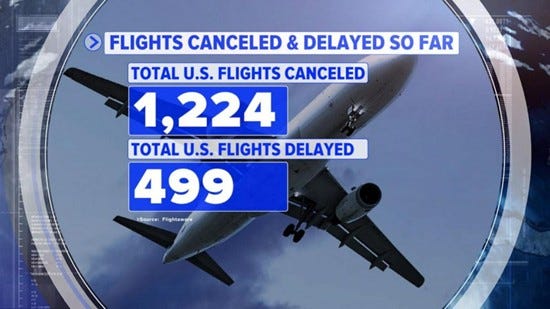
State and local governments experienced delays on grants, mortgage support, business loans, etc. Airline travel was less convenient as unpaid Air Traffic Controllers called out from work, creating longer lines. While this negatively impacted the hospitality industry, car rental companies were delighted. The most serious problem was the withholding of food benefits and delayed pay to some government employees.
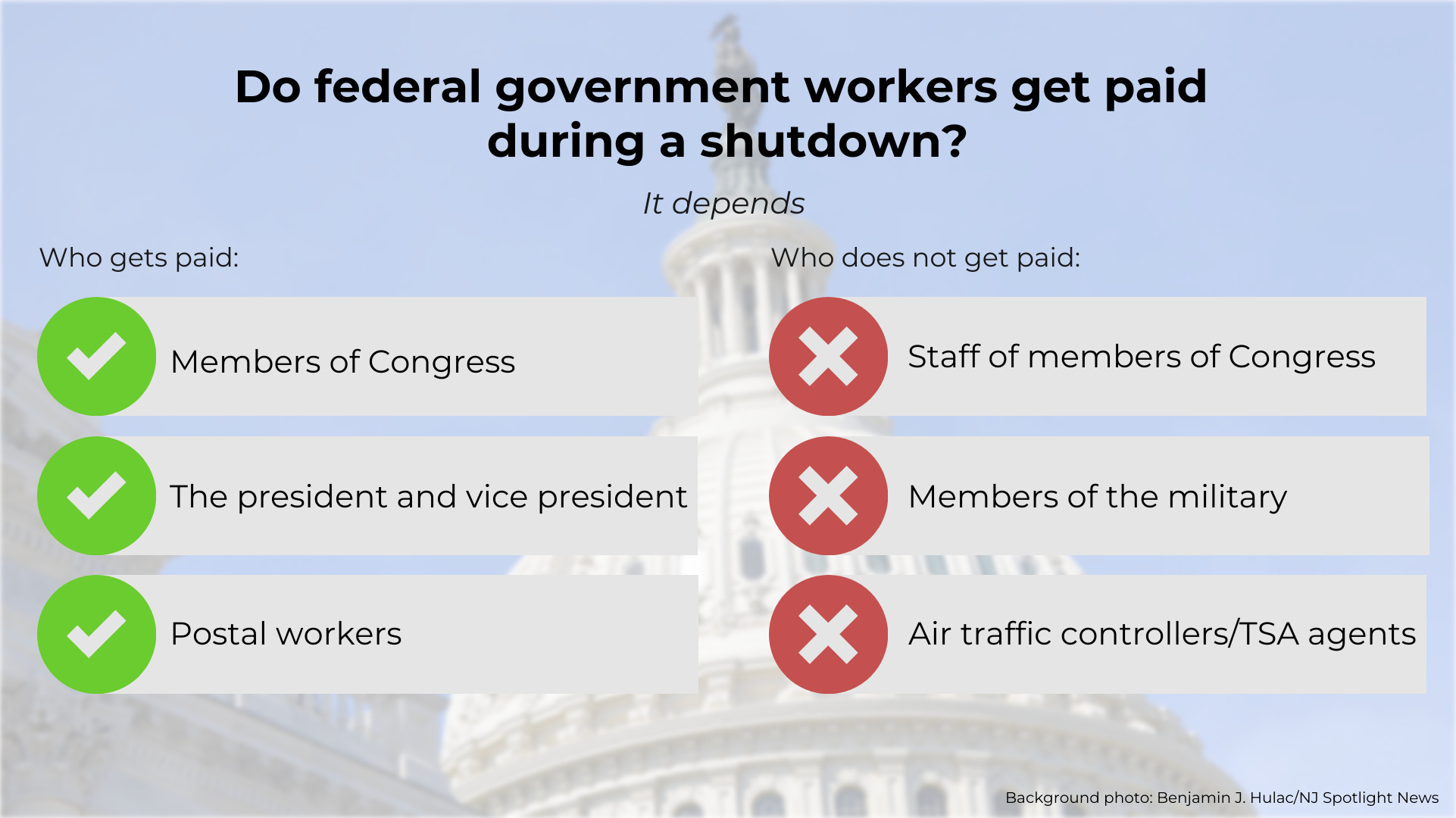
But who was largely unaffected? Almost everyone. 69 million Americans received Social Security payments unimpaired. Add to that 7 million Supplemental Income (SSI), hundreds of million in the private sector, in fact, almost all of us. This is because most government funded services are considered essential. This is due to the Antideficiency Act. This makes certain government functions exempt from Congressional approval.
§ Protecting Human Life
§ National Security
§ Protection of Federal Property
The Protection of Human Life is admittedly vague and that is a big problem now. Still, most critical services continued with little alteration. But what if those screeching headline were true? What if the federal government really shut down all services?
That would be a true shutdown, one that we have never experienced. We asked AI to come up with a week-by week scenario of an actual fiscal collapse by the federal government. The first week looks like this:
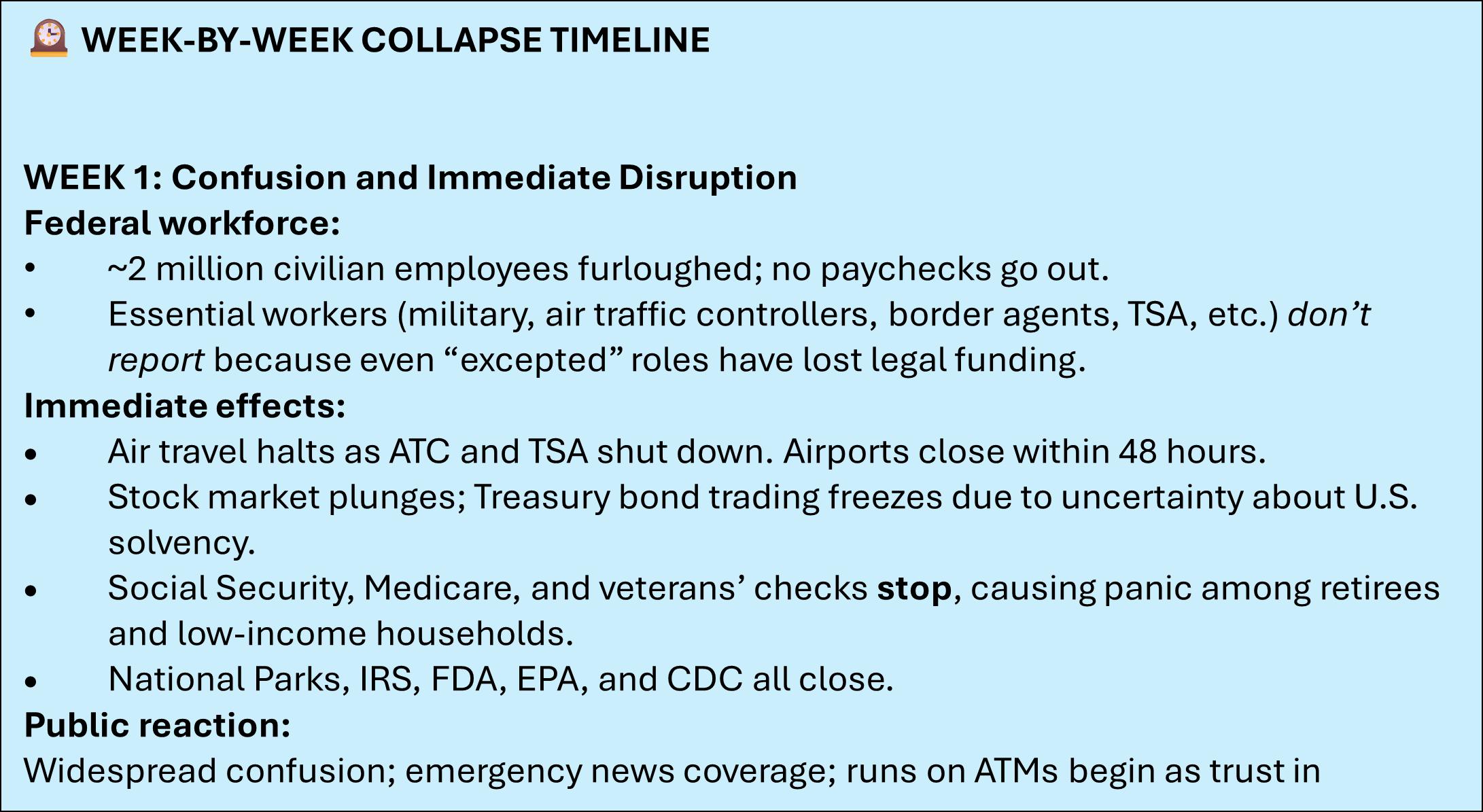
The weekly collapse continues through an apocalyptic scenario:
Financial System Shock
Civil and Infrastructure Breakdown
Collapse of State and Local Systems
Of course, leading to no mail, passports, ATMs, airports – a major economic depression, public unrest, looting, and (presumably) a Zombie Apocalypse.
When we asked the system to chart this collapse, we noticed something odd about the predictions:
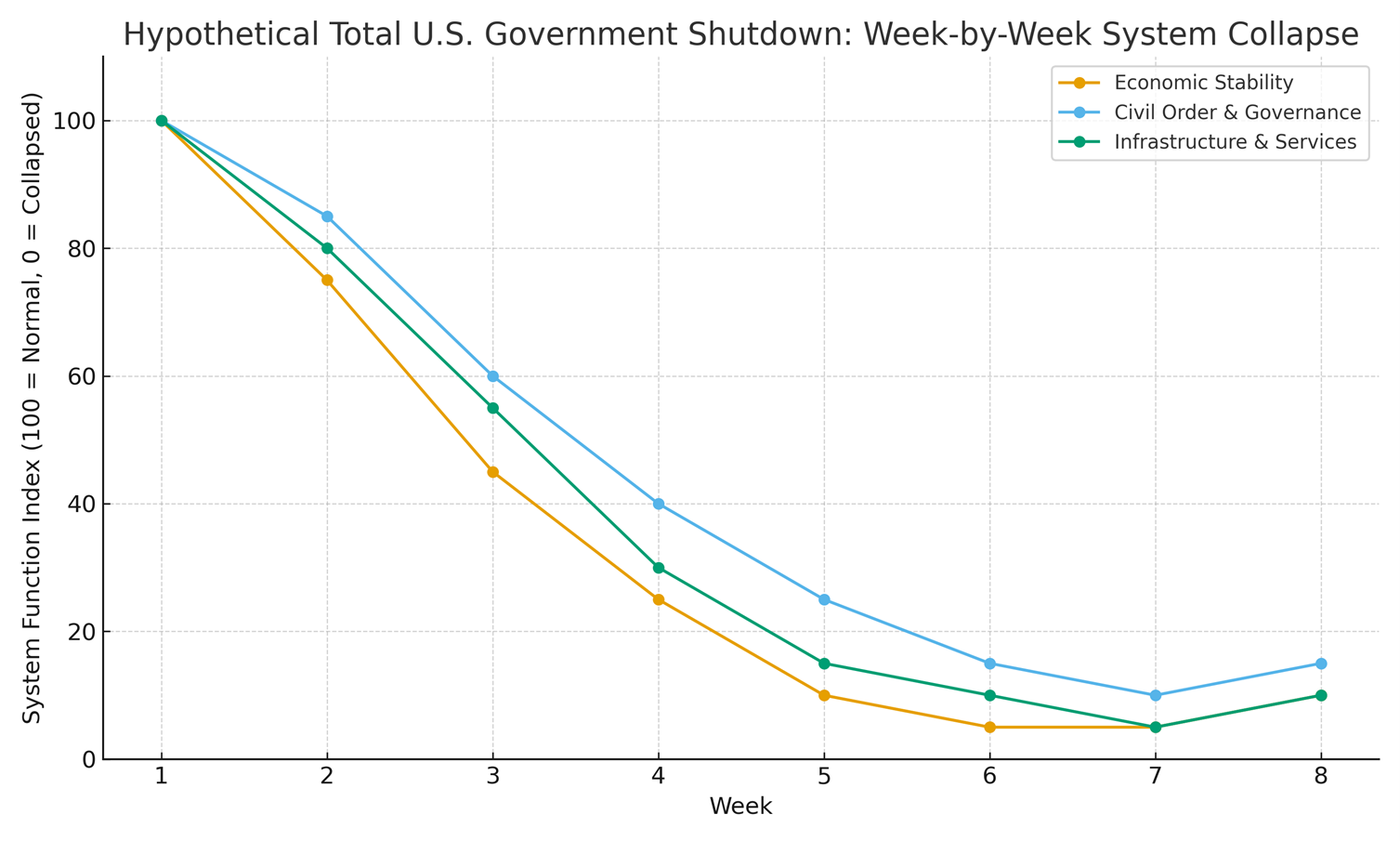
Note that after the weeks of disaster, the economic curve begins to recover. Why is that? This is because the analysis illustrates what is referred to as a ‘Bottoming-Out and Partial Stabilization”. The model assumes some sort of emergency reconstitution by the state, public, or international consortium. It is also assumed that local governments continue to function and will take over essential services. In other words, resilience lies in the hands of the public and decentralized responsibility. We could learn something from this.
The first thing we can do is consider what government services do not need to be performed by the government at all. A great start is from the headlines:
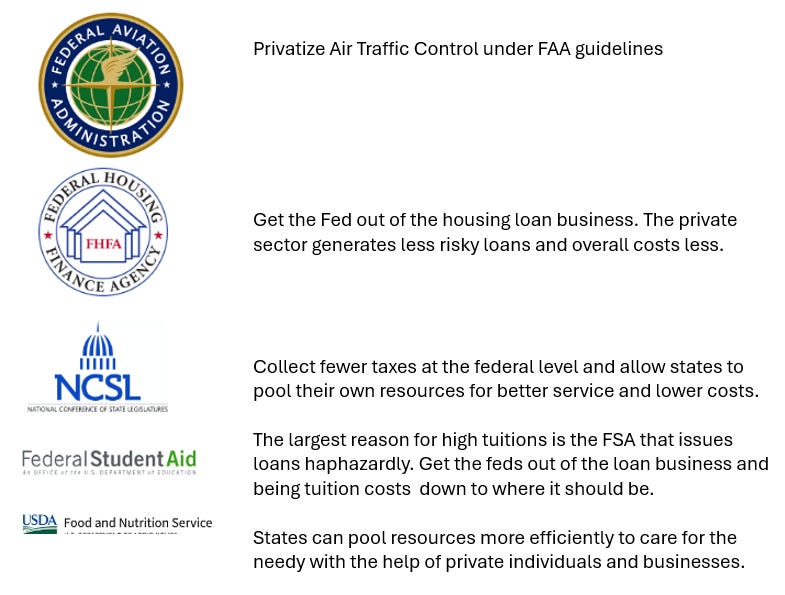
Why is the federal government operating Air Traffic Controllers instead of simply regulating them? It is not as if we have a trouble-free record lately. Many other countries have improved controller performance by simply privatizing all or part of their controller systems. This includes the UK, Germany, Canada, Australia, Switzerland, and others. Privatizing the system would not only improve performance, allow more controllers to be trained and hired, but it also ensures resiliency by not being affected by our constant shutdowns.
Shutdowns need not happen at all. There have been many sensible solutions suggested, note notably an automatic ACR (Automatic Continuing Resolution). In this system, if Congress fails to pass a full budget by Oct. 1st, then funding simply continues at last year’s levels until modified by the legislature.
We could also penalize Congress by (gasp!) withholding their pay during a shutdown (yes these politicians still get paid now). In fact, there are many proposals to avoid shutdowns, including longer budget cycles, process reform, and even (gasp!) a Balanced Budget requirement.
The best way to avoid problems caused by a federal shutdown is to reduce the control that the federal government has over our lives. Congress loves holding on to this power, as it can benefit their employment and parties by making it appear that they are ‘giving us’ things that we purchased with our own tax dollars. Moving federal programs to local governments and the private sector reduces shutdown risk.
While the most of us have not been severely affected by the recent shutdown, some of us are deeply affected with a problem that can be easily avoided. Why do these shutdowns happen on a seeming regular basis?
The simple reason is that the major parties see federal shutdowns as a great way to get headlines that have a chance of making the other party look bad enough to affect the next general election. In other words, the voters are nothing more than a tool to be used to gain power for one political group or another. It has nothing to do with compassion, fiscal responsibility, or serving the public good.
As long as the public allows themselves to be used as a tool for the political advantage of their representatives, there is no reason for Congress to suddenly become responsible to their constituents. After all, it’s much more fun to manipulate people than to serve them.
Reform Congress is a collaboration between Liz Terwilliger and Stephen Wahrhaftig.
The diagnosis at the end is the key insight: “the major parties see federal shutdowns as a great way to get headlines.” This is a structural incentive problem, not a people problem. The system rewards using shutdowns as leverage — so that’s what we get.
What strikes me is that we have multiple viable solutions (ACR, process reforms, etc.) that most experts agree would work. The question isn’t “what would fix this?” — it’s “why can’t we implement any of them?” The same incentive structure that produces shutdowns also blocks the reforms that would prevent them.
That’s the deeper design flaw worth examining.